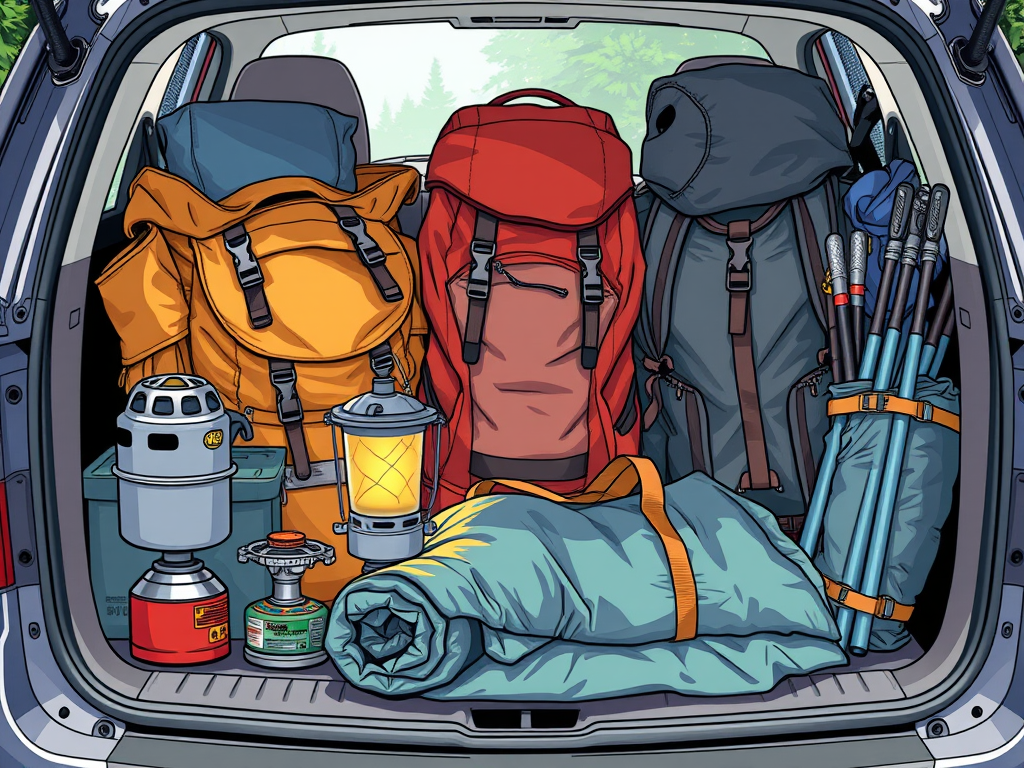
Camp Nest was created for families who love the outdoors but want simple, organized ways to plan their trips.
We share printable planners, camping checklists, meal organizers, and family-friendly gear recommendations — everything you need to make outdoor adventures effortless and fun.
Whether you’re pitching your first tent or planning your next RV weekend, Camp Nest helps you spend less time prepping and more time exploring.
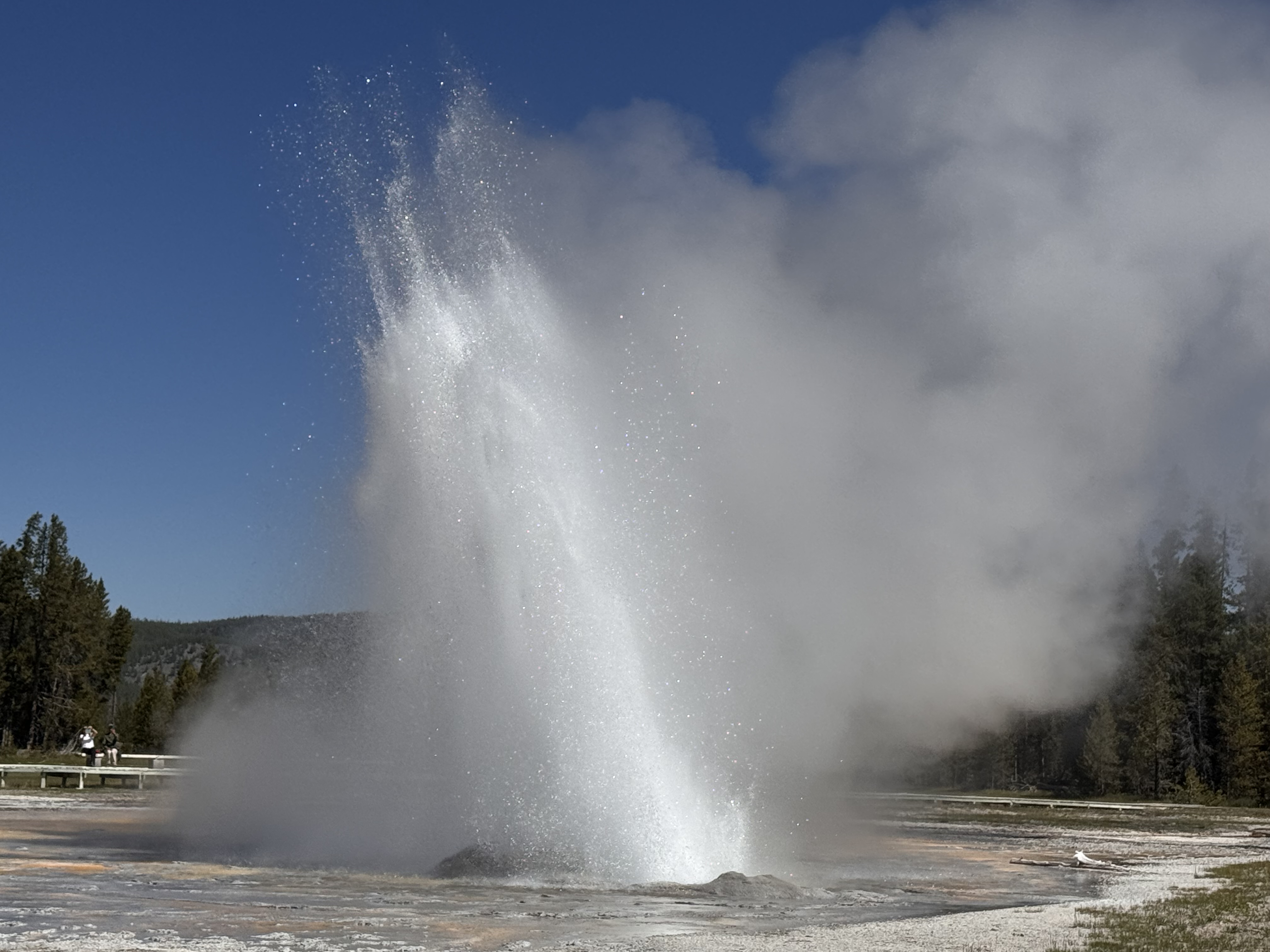
Yellowstone is one of those rare places that feels alive in every direction—the earth steaming beneath your feet, wildlife stepping into view when you least expect it, waterfalls thundering through deep canyon walls, and quiet lakes glowing at sunrise. For our family of five, exploring Yellowstone by RV gave us a flexible, immersive way to take it all in. This wrap‑up brings together the full story: our route, the campgrounds we stayed at, the hikes that worked for kids, the wildlife moments we still talk about, what we ate, what we packed, what we wished we’d packed, and everything we learned along the way. If you’re planning a family trip of your own, consider this a guide built from real days, real decisions, and real travel‑with‑kids moments.
Trip Overview
We covered many corners of Yellowstone, combining iconic sights with quieter moments. After entering through Gardiner, we explored Mammoth before moving toward Madison and West Yellowstone. An evening stop at Grand Prismatic instantly set the tone for the trip—color, heat, and surreal landscapes.
On Day 2, Old Faithful and Midway Geyser Basin dominated the morning, followed by the bubbling, crackling Fountain Paint Pot area. Day 3 took us across Lake Yellowstone and into Hayden Valley, where wildlife sightings became a highlight, before ending at the Grand Canyon of the Yellowstone.
Days 4 and 5 were a bonus detour to Grand Teton National Park, where we experienced snow on the summer solstice. Day 6 blended West Thumb, Lake Yellowstone, Tower Falls, a sunny return to the Canyon area, and a golden‑hour drive through Lamar Valley. The trip wrapped with one more quick wildlife search before heading toward Bozeman.
Camping & RV Life
We chose an RV specifically because our itinerary required moving nearly every day. Being able to wake up, drive toward the next destination, and eat breakfast on the road made a tremendous difference. It also meant we could warm up quickly after the unexpected snow we experienced—on June 21st no less.
Madison became our most convenient base: easy river access, reliable wildlife viewing, and a location that made early starts simple. Grant Village turned out to be our favorite campground overall thanks to its quiet vibe, the short walk to the lake, access to laundry, and a surprisingly helpful general store. Mammoth was basic but had unbeatable access to the terraces and village area.
Fishing Bridge, while offering the advantage of hookups, was our least favorite: no fire rings, no picnic tables, and a very minimal store. Every stop added a different rhythm to our days and shaped the flow of the trip.
Wildlife Highlights
Wildlife is where Yellowstone really shines. While Lamar Valley is often considered the crown jewel for spotting animals, Hayden Valley ended up being the best choice for our family. The larger turnouts made it safer and easier for kids to pile out of the RV, and the proximity to Canyon Village meant snacks, bathrooms, and sanity weren’t far away.
We watched bison move through morning fog, saw elk rise into view through steam vents, and spotted multiple bears—including a few unforgettable moments in Hayden Valley. Birds, pronghorn, and countless smaller sightings filled every drive. We didn’t see wolves this trip, but the search itself made the early mornings a memory we’ll keep.
Hikes for Little Legs and Longer Legs
Yellowstone surprised us with how many trails worked well for a wide age range. The boardwalks in the Upper Geyser Basin and the short trail to the Grand Prismatic Overlook were ideal for little legs—safe, easy, and full of constant ‘wow’ moments. Fountain Paint Pot quickly became a family favorite because it packed an incredible variety of geothermal features into a short, kid‑friendly loop. West Thumb’s upper area offered beautiful lakeside views without requiring a long commitment. And Tower Falls provided a quick waterfall moment without a demanding hike.
For bigger views, Red Rock Point quickly became our top pick. The climb was moderate but totally doable, and the payoff—Lower Falls in all its power—was spectacular. Fairy Falls offered a combination of a flat trail and a big reward, especially when paired with the Grand Prismatic overlook. Norris Geyser Basin, especially the walk toward Steamboat, offered a more dramatic landscape for older kids who enjoy variety and elevation changes.
Camp Life & Daily Rhythm
Camp life was simple, and that was part of its charm. Most mornings began with bowls of cereal we don’t normally buy at home—a small ritual that the kids looked forward to. We’d hit the road early, watching the landscape shift as we made our way toward geysers, lakes, or wildlife.
Days were full of ‘in and out’ moments—someone grabbing another layer, someone needing binoculars, someone needing a snack. The entry mat, surprisingly, became one of the most useful items we brought, keeping the constant dirt and sand from taking over the RV. Afternoons often included a break by the lake or a slow walk along a boardwalk. The quieter moments—slowing down at Yellowstone Lake, listening to the wind in the trees—balanced out the busier days beautifully.
Food: What We Ate
With constant movement each day, simple food became our best friend. Breakfast was always on the go: fun cereals the kids chose as a treat, eaten from bowls in the RV as we headed toward the day’s first stop.
Lunches and dinners followed the same theme—easy, satisfying, and fast. Walking tacos (in a grab size Doritos or Fritos bag) were a huge hit because everyone could customize their meal. Spaghetti made an appearance more than once, as did chicken nuggets paired with 90‑second jasmine rice and orange sauce. Hot dogs were cooked over the fire whenever we could, and mac and cheese filled in the gaps on busy days. One-skillet fajitas gave us a warm ‘real dinner’ night in the middle of the trip.
We enjoyed warm meals at Canyon Village’s ‘Slow Food Fast’ and grabbed a burger at the Fishing Bridge General Store.
Treats were everywhere: ice cream cone s’mores at camp and real ice cream at Old Faithful, Mammoth, Canyon Village, and Fishing Bridge—locations that quickly became family favorites.
Grocery Resupply
Finding groceries inside the park is possible, but options vary. Canyon Village offered the best overall selection for restocking basics. Fishing Bridge and Grant Village both had reasonable supplies for quick meals and staple items, plus Fishing Bridge included a small restaurant. Mammoth provided a solid place for top-up shopping, while Old Faithful was best for drinks and snacks.
For full grocery runs, West Yellowstone was unbeatable—better prices, more variety, and everything you might need for a multi‑day RV trip.
Gear We Used Daily
Five items became essentials for us: lightweight puffer jackets (crucial during the surprise snowfall), insulated water bottles for both hot and cold drinks, kid‑friendly binoculars that made wildlife encounters more interactive, portable chargers to keep devices running when we weren’t on shore power or running the generator, and a simple entry mat that kept the RV much cleaner than expected.
What We Wished We Had
Two items ranked at the top of our ‘next time’ list: a spotting scope for distant wildlife (especially key for Hayden and Lamar Valley), and magnetic blackout window covers for the RV. Some windows lacked blinds, and blackout covers would have made mornings and bedtimes much smoother for everyone.
Our Yellowstone Gear List
If you’re curious about the gear we used on our RV trip — and the items we wish we had — here’s everything in one place:
Yellowstone is a park of contrasts—big landscapes and small moments, early mornings and slow afternoons, iconic sights and unexpected detours. Traveling by RV allowed us to experience the park’s rhythm while keeping our family comfortable and flexible. If you’re planning a trip, embrace the unpredictability, pack layers, and let Yellowstone unfold at its own pace.
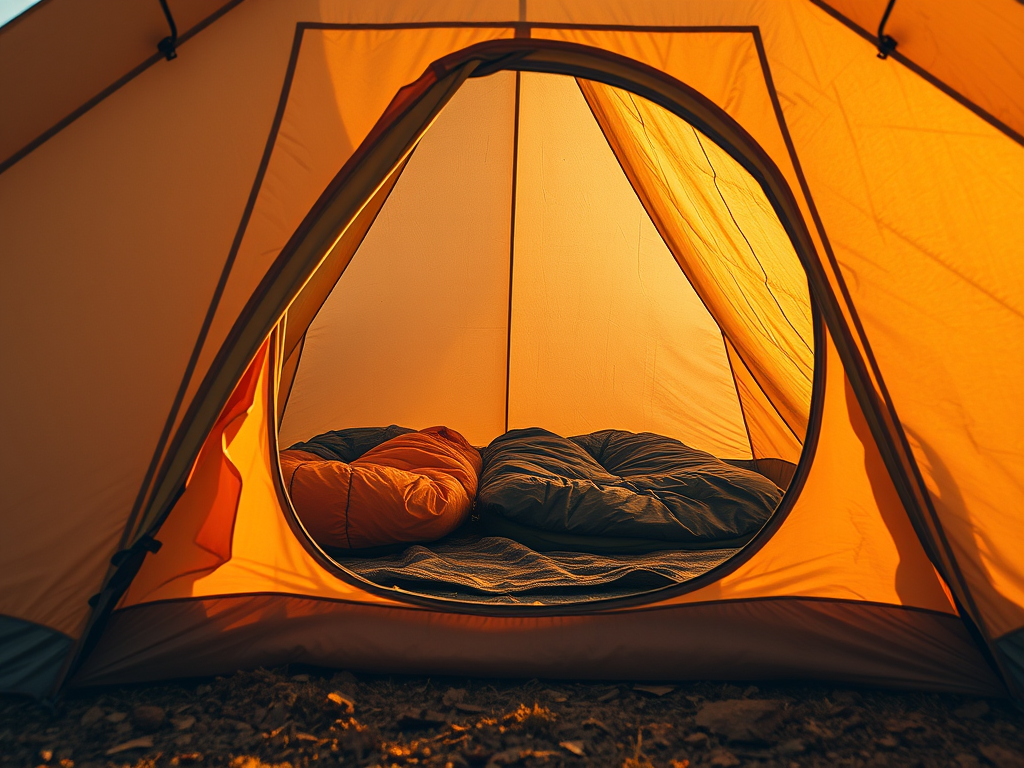
Cold nights shouldn’t chill your adventure — or your family’s mood. Whether you’re camping in the mountains, at a fall festival, or just in your own backyard, these five simple tricks help you sleep warmer, safer, and cozier inside your tent — no heater required.
1️⃣ Pre-Warm Your Sleeping Bag (Safely!)
Fill a bottle rated for boiling water — like a Nalgene Wide-Mouth or Stanley Classic — and tuck it inside your sleeping bag about 15 minutes before bed. ⚠️ Use only heat-safe bottles, tighten the lid fully (did I say fully closed??), and wrap it in a sock or towel to avoid burns or leaks.⚠️ Alternative: heat a few smooth stones near your campfire, let them cool to “hot-bath” temperature, and wrap them before placing them near your feet.
2️⃣ Insulate From the Ground Up
Cold creeps up from the ground faster than it falls from above. Add layers beneath you — foam pads, yoga mats, or even extra towels or clothes. 🛒 Optional gear:Klymit Static V Insulated Pad — lightweight, packs small, and adds major comfort and warmth.
3️⃣ Block the Wind — But Let It Breathe
Pitch your tent with the back facing the wind and use coolers, backpacks, or firewood to build a small windbreak on that side. 💧 Don’t seal vents completely — trapped breath creates condensation and damp sleeping bags by morning.
4️⃣ Create a Micro-Climate Inside the Tent
Hang a flannel sheet, light blanket, or old curtain from the ceiling to make a smaller sleeping zone. Less air space means warmer air retention — especially useful for large family tents.
5️⃣ Change Into Dry Base Layers Before Bed
Even a little sweat can make you cold all night. Swap into dry socks and thermal layers right before bed. 🛒 Recommended pick:Smartwool Merino Base Layers (youth version as it’s all about keeping the kids comfy, right?) — soft, moisture-wicking, and perfect for kids and adults alike.
🌙 Final Thoughts
You don’t need a bulky heater or expensive gear to stay warm. Focus on insulation, ventilation, and dryness, and you’ll wake up cozy — even when the temperature dips.
Follow @CampNestLife for more real-family camping hacks, gear picks, and outdoor inspo you can actually use.
As an Amazon Associate, Camp Nest Life earns from qualifying purchases.
When you’re car-camping with an SUV full of gear, size and weight might not be the top concern. But what about when you’re flying to a campsite, hiking into a back-country glade, or simply trying to save space for all the other “must-bring” items for kids and family fun? That’s when a sleeping bag that’s warm but compressible becomes a smart move.
Here are three standout options for families who want warmth without the trunk-burden.
🏕️ 1. TETON Sports +20°F (20°F approx. / -7 °C)
Why We Love It: This is a great value synthetic option that balances warmth, size, and price—perfect for a “fly-away” or secondary sleeping bag for the kids. Key Specs:
Temperature rating: +20 °F / -7 °C (“survival” style rating) (tetongear.com)
Shell: 75D/2mm polyester diamond ripstop; Insulation: PolarLite synthetic (tetongear.com) Family Tip: Great for storing in the trunk or carry-on. Because it’s roomy and synthetic, it tolerates kids who kick or roam during the night. For colder nights, pair with an insulated sleeping pad and a fleece liner.
Why We Love It: A step up into down insulation (or high-end synthetic) with superior warmth-to-weight ratio—ideal when you want comfort but still need packability. Key Specs:
Insulation: 550-fill-power down (in down version) (REI) Family Tip: Ideal if you have multiple bags and one is designated for “camp-sleep nights” (kids + parents). Down compresses small and lofts well—great for tighter spaces like small tents. But be mindful: down needs to stay dry, so bring a waterproof shell or liner for damp sites.
Why We Love It: Ultra lightweight and compact—designed for travel, summer camps, or as a backup bag that takes minimal space. This is the go-anywhere bag in your gear kit. Key Specs:
Temperature rating: ~45 °F / ~7 °C comfort level (bag named “45”) (REI)
Insulation: Spirafil™ High-Loft synthetic; Shell: PFC-free DWR-treated polyester (Marmot) Family Tip: This is fantastic when space is limited (e.g., airplane overhead, RV shelf, or slender trunk). For cooler nights, layer with a fleece liner or throw a blanket on top. It’s not meant for freezing temps—but for warm-weather or three-season use, it’s a smart add.
Therm-a-Rest Z Lite Foam Pad — packable, lightweight, and provides insulation from cold ground—often more important than the bag itself.
💬 Wrap-Up: Which One Should Your Family Pick?
Choose the TrailHead +20if you want budget-friendly, roomy gear for year-round family use.
Choose the Kelty Cosmic 20 if you want higher-end comfort, lighter pack weight, and “top bag” performance.
Choose the Marmot NanoWave 45if you’re traveling light, flying out, or sizing down your gear footprint.
👉 At CampNestLife.com we talk real-world family camping—with gear that works in practice, not just specs. ✈️ Planning your next adventure? Visit TheTravelHook.com for trip ideas and gear checklists.
Camp Nest Life participates in affiliate programs including Amazon Associates. We may earn a small commission on purchases at no additional cost to you.
If your kids are warm, rested, and comfy — you’ve already won half the battle. The best camping memories start when everyone’s actually enjoying the outdoors, not shivering, squirming, or wondering why they agreed to sleep in a tent.
So, this week’s Camp Nest Life Gear Roundup is all about outside-the-box comfort. These three items might not top your gear checklist — but once you’ve tried them, you’ll never camp without them again.
🧣 1. The Insulated Blanket that Feels Like a Hug
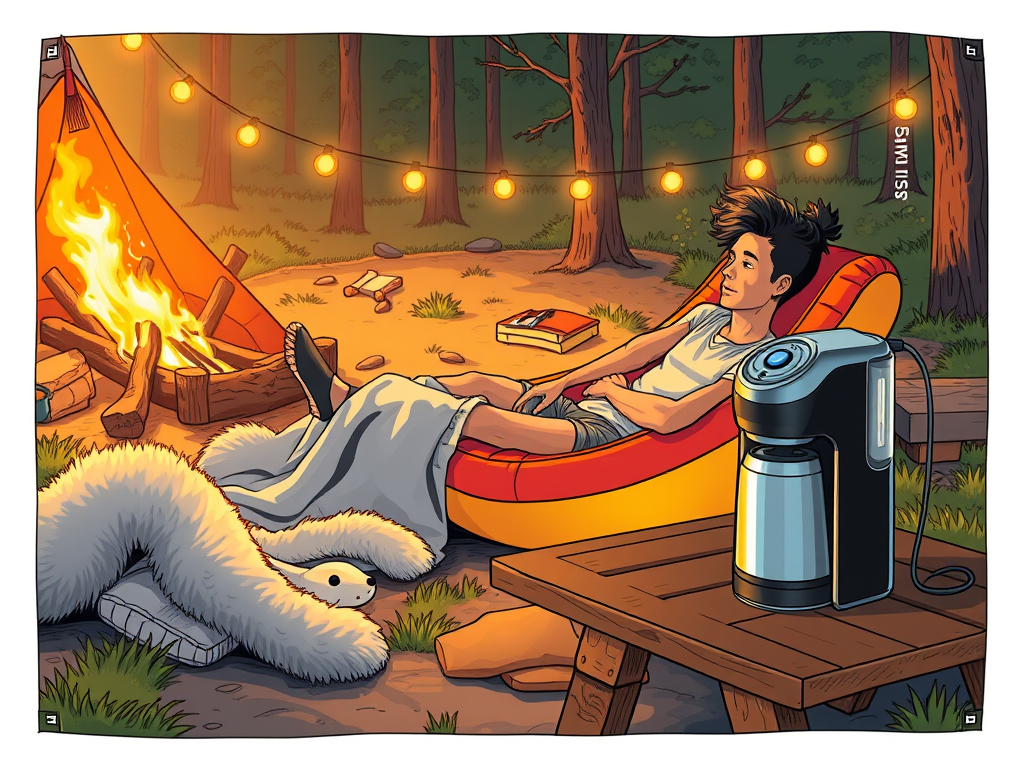
Our Pick:Rumpl NanoLoft® Travel Blanket If you haven’t experienced Rumpl yet — it’s like wrapping up in a sleeping bag made for lounging. The NanoLoft insulation traps warmth surprisingly well without bulk, and it’s water-resistant, machine-washable, and packs down small. 💚 Family Tip: Use it as a picnic blanket by day and a movie-night cocoon by the campfire. 💡 Pro Tip: The kids love claiming “their” color — consider one per camper to avoid fights over blanket rights.
🪑 2. Inflatable Lounger (Air Sofa)
Our Pick:Wekapo Air Lounger Instant comfort, no pump required. Scoop some air, twist it closed, and suddenly your campsite feels like a resort lounge. Great for reading, stargazing, or letting the kids bounce out some energy. 💚 Family Tip: Doubles as a kid wrestling mat, jumping pillow, mom reading chair, or nap zone. 💡 Pro Tip: Deflates in seconds and weighs less than most camp chairs.
☕ 3. Compact Espresso or Hot Drink Maker
Our Pick:Wacaco Nanopresso Morning campsite coffee is non-negotiable — especially for me. The Nanopresso brews a legit espresso anywhere, whether you’re tailgating at Yellowstone or car-camping near home. 💚 Family Tip: Add hot cocoa pods for the kids and make it a “camp café.” 💡 Pro Tip: Works with ground coffee or Nespresso pods, no power outlet needed.
Why it helps kids: Drowns out campground noise (late-night neighbors, zippers, owls, snaps or branches in the woods) and keeps bedtime familiar away from home.
Pro tip: Choose models with multiple sound profiles (rain, surf, fan) and USB-C charging.
Camping comfort isn’t just about luxury — it’s about creating space for connection. When the family’s warm, relaxed, and caffeinated, there’s more laughter and fewer “can we go home yet?” moments.
Ready to level up your next adventure? 👉 Explore more tips and gear favorites at CampNestLife.com ✈️ Planning a bigger outdoor escape? Visit TheTravelHook.com for help planning your next family-friendly adventure.
As an Amazon Associate, Camp Nest Life earns from qualifying purchases.
🪵 2. The “3-Category Rule”: Keeping Every Camper Happy (and Packed Right)
Of course, every trip starts with the essentials — the core gear your family needs to operate at camp.
That includes all the must-haves: tents, cooking equipment, lighting, clothing, first aid, and safety tools. Those are non-negotiable items and usually shared among the group.
But once the basics are covered, there’s another layer that makes or breaks a trip — the personal touches that help each family member feel comfortable, happy, and rested.
That’s where our 3-Category Rule comes in.
Each family member gets to pick one thing from each of these three categories:
🛌 1. Sleep Comfort Extra Anything that helps you sleep better. For some, it’s a special sleeping bag or favorite travel pillow; for kids, maybe it’s their stuffed animal (we always have their favorites “camping bear” in tow) or a warm camp blanket. Sleep is sacred — pack what keeps everyone rested.
🔥 2. Camp Comfort This is your “makes the day better” item. It may be a collapsible chair, a soft hoodie, or even a hammock. Parents? Coffee setups totally count here. It’s the stuff that keeps morale high when the tent zipper jams or it starts raining during dinner.
🎲 3. Fun Factor One item purely for joy. Think a family card game, a sketch pad, a fishing rod, or a camera for collecting memories. It’s amazing how a simple shared activity turns downtime into connection time. Even something like Uno Splash that has a clip and gives a fun night activity
By giving everyone ownership over their “comfort trio,” packing becomes more personal — and less chaotic. You’ll bring fewer “just-in-case” items and more of what actually makes camping fun for your family.
And we understand, these items will be tailored to the type of trip but that one must have stuffy can make all the difference on a big adventure!
💡 Pro tip: Kids love being part of this system. It makes them feel responsible for their own happiness at camp — and they’re far less likely to complain about what didn’t make it into the car.
3. Invest in versatile gear
We look for items that pull double-duty:
A down blanket that’s both a warmth booster and picnic throw.
A lightweight stove that cooks meals and boils morning coffee.
A compression bag that fits clothes and doubles as a pillow.
4. Test at home before you go
Try a “mini camp” in our backyard — test how fast everything sets up and fits. It’s how we learned to swap our bulky sleeping bags for compact ones before our next flight trip (stay tuned for our Sleeping Gear Part 2 review this week!).
5. Keep a “Pack Once” tote
A small tote with essentials (bug spray, utensils, wipes, headlamps) that stays packed year-round. No last-minute scrambles, no forgotten flashlights.
This also will evolve over time to having a go box for each kid or for types of trip you’re embarking on.
At Camp Nest Life, we believe in less stress and more stars 🌟 Want help planning your next camping destination or fly-to trip?
Visit CampNestLife.com for our printable planners, gear recommendations and more.
Also check out TheTravelHook.com if you’re ready to turn your destination dream into a booked adventure.
As an Amazon Associate, Camp Nest Life earns from qualifying purchases.
Flying to your next adventure? You’re not alone! Families everywhere are trading long road trips for quick flights to national parks, beach camps, and mountain getaways. But flying with outdoor gear brings its own challenges — from tent poles to fuel canisters.
Here’s how our Camp Nest Life crew handles it:
1️⃣ Carry-On Essentials:
Keep your most important (and expensive) gear in your carry-on. Cameras, GPS units, and small electronics are safer with you. Always pack a change of clothes in case your checked bag goes on its own “adventure.”
2️⃣ Check It Right:
Use a duffel-style travel bag or heavy-duty plastic bin for your larger camping items. Tent poles, sleeping pads, and cookware can go in checked luggage, but avoid packing any fuel or flammable materials. Wrap fragile gear in your sleeping bag or clothes.
3️⃣ Labels & Lists:
Print a simple checklist (grab ours at CampNestLife.com) so you know what’s packed where. Label your bags clearly — especially if you’re checking multiple bins for the whole family.
4️⃣ Pro Tip:
If you’re booking flights for a big family adventure, check out TheTravelHook.com — they can help find family-friendly routes, gear-friendly airlines, and lodging near parks that fit your itinerary.
Flying to your next adventure doesn’t have to mean leaving half your gear behind — it just takes a little planning (and maybe a few extra carabiners).
There’s something magical about campfire light — it softens everything, even the chaos of family life. If you’ve ever tried to make coffee while holding a flashlight and convincing a toddler that chipmunks don’t eat granola bars, you know: real camping isn’t perfect, but it’s unforgettable.
Camp Nest Life was born from that exact mix — adventure, laughter, and “we’ll figure it out.” Our family has tried numerous tents, fumbling with sleeping bags, and trying to keep snacks dry in the rain. Somewhere between the mosquito bites and the mountain views, we realized we had something worth sharing: a way to make camping easier, cozier, and more fun for families.
🔦 What Happens Behind the Scenes
We test gear like families actually use it — not how ads show it. That means three real-world categories:
Starting-Out Families: those testing the waters (and maybe sleeping on air mattresses).
Family Adventurers: campers who make 3–4 trips a year and crave comfort + simplicity.
Experienced Family Campers: the ones who could probably teach the park ranger a few tricks.
Every review, planner, and printable we create is designed for one of those groups — because camping isn’t one-size-fits-all.
🧭 The Messy Magic of Building a Family Camping Brand
Behind the curtain, there are Google Docs full of checklists, half-packed gear bins, and more Canva tabs than we care to admit. But there’s also a simple goal guiding everything: help families get outdoors more often — and stress less while doing it.
We’re testing new ideas constantly: AI-powered planning tools, printable kits for families with ADHD, and gear bundles built around real-life use, not glossy marketing shots.
Friday “Roundups” to recap the best tips, laughs, and lessons
Because this isn’t about being “influencers.” It’s about being the family next to you at the campground — figuring it out, one adventure at a time.
💚 Closing Thought
So here’s to imperfect camping trips, burnt marshmallows, and the gear that makes it all work. From behind the campfire curtain, we’re so glad you’re here — and we can’t wait to share what’s next.
Because let’s be honest — no one’s enjoying a sunrise hike if they spent the night freezing, tangled, or negotiating for blanket real estate.
Keeping everyone warm and comfy is the real secret ingredient to great family adventures (and fewer 3 a.m. “Mom, I can’t find my sock!” moments).
🌿 Specs & Overview
This roundup covers our top sleeping bag picks for every family camper — from first-timers to seasoned explorers. Because well-rested kids = happy campers, and happy campers = sanity restored.
🪴 Starting-Out Families
Perfect for: families just getting started who need warmth, value, and simplicity.
Why it’s worth it: This one’s for the families who have “camping down to a science.” A long-term investment that pays off in perfect sleep and fewer early morning complaints.
👶 Bonus Picks for Little Campers
Toddler Pick:AZITREK Toddler Sleeping Bag Bright colors, lightweight, and easy for kids to roll up themselves. Perfect for backyard campouts or their first real trip.
Family-Snuggle Pick:Kelty Double Sleeping Bag For little ones who still sleep better by your side. It’s roomy, warm, and parent-approved — the ultimate cuddle zone.
Cozy Add-On:Down Compression Blanket Lightweight, warm, and compact — the “just in case” comfort layer every camper needs. Perfect for chilly mornings or fireside naps.
💚 Final Verdict
Warm kids are happy kids — and happy kids make happy campers. If you want fewer wake-ups and more “best trip ever” moments, start with better sleep.
👉 Shop these sleeping bags on Amazon using the links above. (As an Amazon Associate, Camp Nest Life earns from qualifying purchases.)
🌲 Camp Nest Life
💚 Plan • Pack • Play • Repeat — that’s the Camp Nest Life way.
🌿 Follow @campnestlife for family-tested gear reviews, printable planners, and outdoor inspiration.
✈️ Planning something beyond the campground? Visit The Travel Hook at www.TheTravelHook.com for help booking unforgettable family adventures.
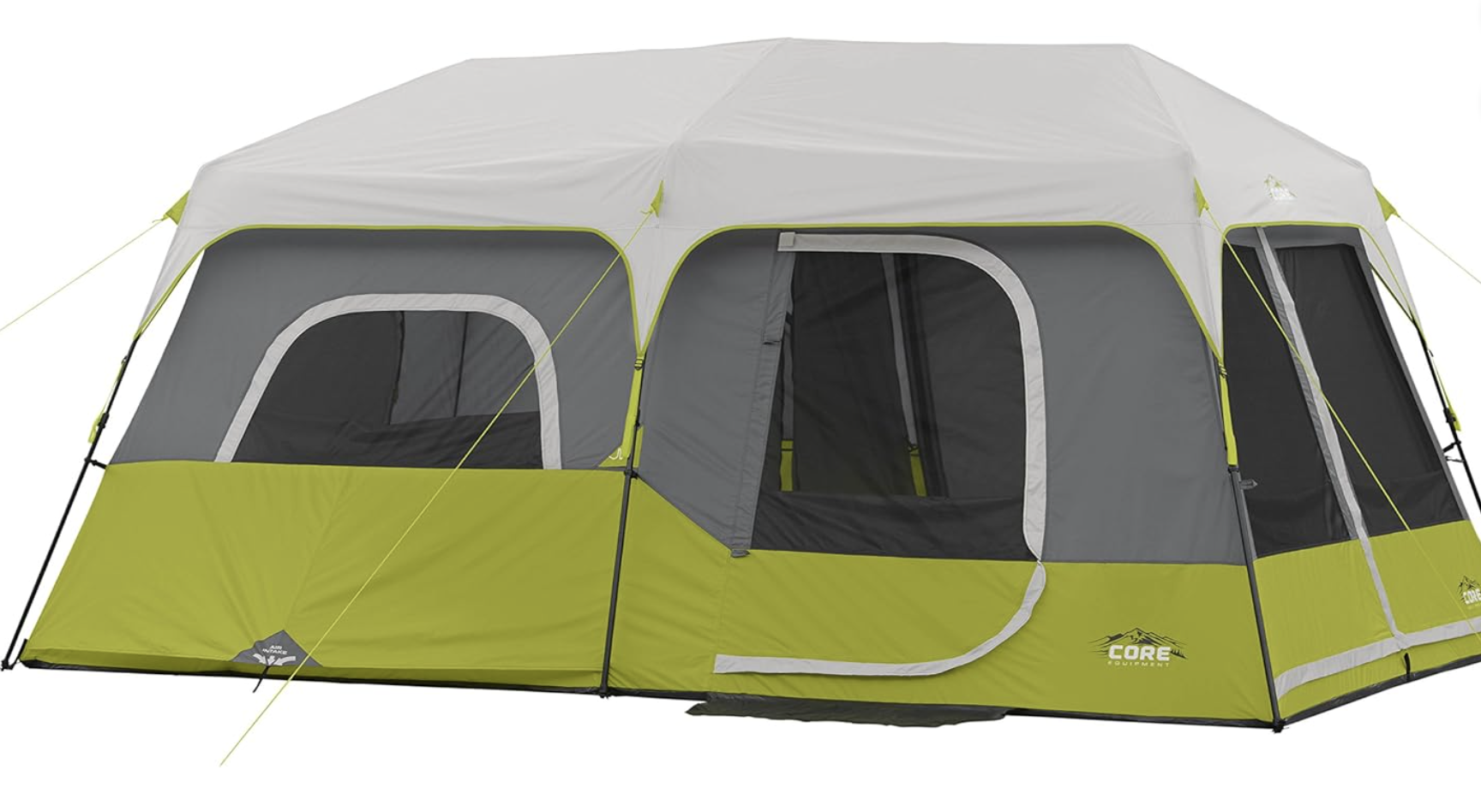
If you’re planning your next family adventure and need a tent that fits everyone comfortably without the setup stress, the CORE 9-Person Instant Cabin Tent is a top pick. It combines generous space, quick setup, and reliable weather protection at a family-friendly price.
⚙️ Tent Specifications
Feature
Details
Setup Time
60 seconds (pre-attached poles)
Footprint
14 ft x 9 ft (125 sq ft floor space)
Height
78 in (6.5 ft) center height
Capacity
Up to 9 people / 2 queen air mattresses
Season Rating
3-season
Fabric
68D Polyester with PU 600mm coating
Ventilation
CORE H2O Block Technology + ground vents
Weight
~30.5 lbs
Extras
Room divider, gear loft, electrical cord access
🧭Setup Experience
The “instant” design lives up to the name — setup takes about one minute thanks to pre-attached poles that unfold like an umbrella. This is a lifesaver for parents juggling kids and gear.
By comparison, the Coleman Montana 8-Person Tent requires 10–20 minutes of setup time and multiple people.
🏕️ Space & Comfort
The CORE’s 14×9 ft floor plan easily fits two queen air mattresses, with space left over for duffel bags and a play area. The 6.5-foot ceiling height means most adults can stand comfortably — no crouching or crawling.
The room divider adds privacy, making it ideal for families or group campers.
Against the Ozark Trail 10-Person Tent, the CORE offers slightly less space but wins on simplicity and build quality.
☔ Weather Protection
CORE’s H2O Block Technology combines water-repellent fabric and sealed seams to keep you dry through light and moderate rain. Large mesh windows and adjustable vents reduce condensation — a huge plus for humid climates.
It’s not designed for extreme storms, but for typical weekend trips, the protection is solid.
💡 Family-Friendly Features
Electrical cord access port for powering fans or lights Gear loft and storage pockets for organizing small items Expandable carry bag (yes, it actually fits the tent!)
One-minute setup Spacious interior for large families Excellent airflow Room divider for privacy Weather protection for 3-season use
⚠️ Cons
Not ideal for extreme weather, heavy when packed (30 lbs), limited vestibule space
🌿 Final Verdict
The CORE 9-Person Instant Cabin Tent is one of the best large family tents for under $300. It’s perfect for weekend trips, quick getaways, and anyone who wants a stress-free camping setup.
If you’re ready to make family camping easier — this tent delivers.
There’s something magical about waking up to the sound of birds, brewing coffee over a campfire, and kids still tucked in their sleeping bags.
If your family camps as often as ours, you know that every trip brings new lessons — some about nature, others about patience, and quite a few about which gear actually works.
After years of family camping adventures — from backyard test runs to week-long national park trips — we’ve learned which gear truly holds up and which gets left behind.
That’s why we’re excited to introduce the Camp Nest Product Review Series — a collection of real-world, family-tested gear reviews from an Experienced Family Camper who’s been through it all.
🌿 Who These Reviews Are For
We know every family’s camping journey looks different. That’s why each review is written for three kinds of campers:
🪴 1. Starting-Out Families
You’re planning your first real camping trip, wondering “Do we even have enough flashlights?” You want affordable, easy-to-use gear that builds confidence and fun right from the start.
🌿 2. Growing Families
You’ve camped a few times, learned what works, and you’re ready to upgrade. You’re balancing comfort, organization, and maybe dreaming of a tent that sets up faster or a sleeping pad that doesn’t deflate overnight.
🌲 3. Experienced Family Campers
You’re seasoned campers who’ve developed a rhythm — a packing system, favorite sites, and trusted brands. You care about durability, setup speed, and gear that stands the test of time (and toddlers).
🏕️ What We’ll Be Reviewing
Here’s what’s coming in our Family Camping Gear Review Series:
Tents & Shelters — instant cabins, pop-ups, and large-family options
Sleeping Gear — sleeping pads, air mattresses, and cozy bags for kids
Cooking & Meal Kits — stoves, cookware, and prep tools
Lighting & Power — lanterns, solar gear, and family-safe lights
Family Organization Tools — planners, printables, and packing checklists
Each review focuses on what families actually care about: setup time, comfort, weather resistance, and value.
🪵 Kicking Things Off: Family Tents
We’re starting our series with something every camper needs — a great tent.
Our first spotlight goes to the CORE 9-Person Instant Cabin Tent, a roomy, fast-pitch tent that makes setup easier (even with kids running around).